


Essential Safety Protocols for Storage Facility Management
- Mar 30
- 4 min read
Storage facilities play a crucial role in safeguarding goods, equipment, and materials. Yet, without proper safety protocols, these spaces can become hazardous environments. Ensuring safety in storage facilities protects employees, clients, and assets while maintaining smooth operations. This post explores key safety measures every storage facility manager should implement to reduce risks and create a secure workplace.
Understanding the Risks in Storage Facilities
Storage facilities face a variety of safety challenges. Common risks include:
Fire hazards due to flammable materials or electrical faults
Slips, trips, and falls from cluttered aisles or uneven flooring
Falling objects from improperly stacked goods
Equipment accidents involving forklifts or pallet jacks
Chemical exposure when hazardous substances are stored
Recognizing these risks helps managers prioritize safety measures that address the most pressing dangers.
Designing a Safe Storage Environment
A well-designed facility reduces hazards before they occur. Key design considerations include:
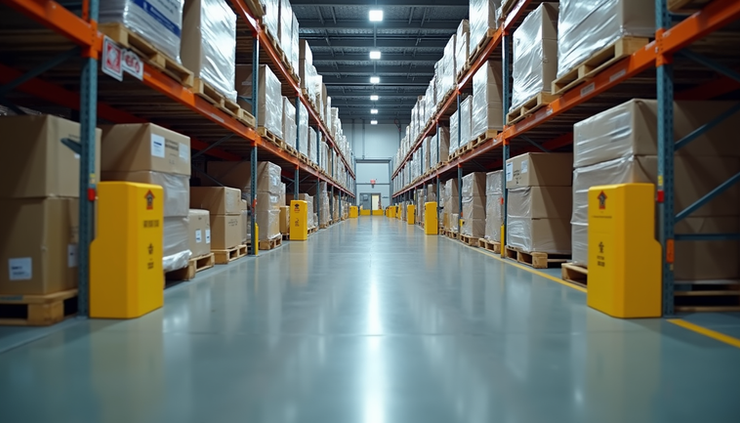
Clear aisles and walkways free of obstructions to prevent trips and allow easy evacuation
Adequate lighting to improve visibility and reduce accidents
Proper shelving and racking systems rated for the weight and type of stored items
Fire detection and suppression systems such as smoke alarms and sprinklers
Ventilation to prevent buildup of fumes or dust
For example, installing sturdy racks with safety clips can prevent pallets from slipping off shelves, reducing the risk of falling objects.
Implementing Effective Fire Safety Measures
Fire is one of the most dangerous threats in storage facilities. To minimize fire risks:
Store flammable materials in designated, well-ventilated areas away from ignition sources
Maintain clear access to fire extinguishers and ensure staff know how to use them
Conduct regular fire drills and train employees on evacuation procedures
Inspect electrical wiring and equipment routinely to prevent faults
Use fire-resistant building materials where possible
A facility that practices regular fire safety checks and drills can significantly reduce damage and injury in case of an emergency.
Safe Handling and Storage of Hazardous Materials
Many storage facilities hold chemicals or other hazardous substances. Managing these safely requires:
Labeling all hazardous materials clearly with hazard symbols and handling instructions
Storing incompatible chemicals separately to avoid dangerous reactions
Providing spill containment kits and training staff on spill response
Using personal protective equipment (PPE) such as gloves and masks when handling hazardous items
Keeping Material Safety Data Sheets (MSDS) accessible for all hazardous products
For instance, acids and bases should never be stored side by side. Proper segregation prevents accidental mixing that could cause fires or toxic fumes.
Training Employees on Safety Protocols
Even the best safety systems fail without well-trained staff. Effective training programs should cover:
Proper lifting techniques to avoid back injuries
Safe operation of machinery like forklifts and pallet jacks
Emergency response procedures including fire evacuation and first aid
Identifying and reporting hazards promptly
Use of PPE and safety equipment
Regular refresher courses keep safety top of mind and help new employees adapt quickly.
Maintaining Equipment and Facility Inspections
Routine maintenance prevents equipment failures that can cause accidents. Managers should:
Schedule regular inspections of forklifts, pallet jacks, and other machinery
Repair or replace damaged shelving and flooring promptly
Check fire safety equipment monthly to ensure functionality
Monitor environmental controls such as ventilation and lighting
Document all inspections and maintenance activities for accountability
A proactive maintenance plan reduces downtime and keeps the facility safe for everyone.
Creating Clear Safety Policies and Signage
Clear communication supports a culture of safety. Facilities should:
Develop written safety policies covering all key risks and procedures
Post visible signs indicating hazards, emergency exits, and PPE requirements
Use floor markings to designate walkways and equipment zones
Provide accessible safety manuals and resources for employees
For example, bright yellow floor tape can mark forklift paths, keeping pedestrians and vehicles separated.
Emergency Preparedness and Response
Emergencies can happen despite precautions. Being prepared saves lives and limits damage. Essential steps include:
Establishing an emergency response team with defined roles
Creating evacuation plans with multiple exit routes
Installing emergency lighting and alarms
Conducting regular drills simulating different scenarios
Coordinating with local emergency services for quick assistance
A well-rehearsed emergency plan ensures everyone knows what to do when seconds count.
Encouraging a Safety-First Culture
Safety is not just about rules; it’s about mindset. Managers can foster a safety culture by:
Leading by example and following protocols consistently
Encouraging employees to speak up about hazards without fear
Recognizing and rewarding safe behavior
Holding regular safety meetings to discuss concerns and improvements
Continuously reviewing and updating safety practices based on feedback
When safety becomes a shared value, the entire facility benefits.
At Mancaves RV & Boat Storage, we offer quality storage at affordable prices. We provide a clean and secure Self-Storage Facility combined with exceptional customer service that will make your storage experience at Mancaves as easy as possible. Over the years, we have continued to work with some fantastic customers which has allowed us to continually expand our facilities to better serve our surrounding community storage needs.
Call Us Today! 713.295.0222
Comments