


Choosing Secure Vehicle Storage Options for Your RV and Boat
Storing your RV or boat safely is a top priority. These vehicles are valuable and often hold sentimental value. Finding the right storage option can protect your investment and give you peace of mind. I’ve learned a lot about secure vehicle storage options over the years, and I want to share what works best.
Why Secure Vehicle Storage Options Matter
When you own an RV or boat, you want to keep it safe from theft, weather damage, and wear and tear. Choosing secure vehicle storage options means you’re protecting your vehicle from:
Theft and vandalism: A secure facility with good fencing, lighting, and surveillance cameras can deter criminals.
Weather damage: Sun, rain, snow, and wind can cause paint fading, rust, and other damage.
Pests and rodents: Proper storage can keep animals from nesting inside your vehicle.
Accidental damage: Parking in a crowded or unsecured area increases the risk of dings and scratches.
I always recommend looking for storage that offers a combination of these protections. It’s worth paying a little extra for peace of mind.

Types of Secure Vehicle Storage Options
There are several types of storage to consider, each with its own benefits. Here’s a quick rundown:
1. Outdoor Storage
Outdoor storage is the most common and usually the most affordable. It’s basically a parking lot with security features like gates, cameras, and lighting. Some places offer covered outdoor storage, which protects your vehicle from direct sun and rain.
Pros:
Affordable
Easy access
Good security if the facility is well-managed
Cons:
Exposure to weather elements
Limited protection from pests
2. Covered Storage
Covered storage provides a roof over your vehicle but no walls. This option protects against sun and rain but not wind or dust.
Pros:
Protects from sun damage
Affordable compared to indoor storage
Easy access
Cons:
Limited protection from wind and dust
Security depends on the facility
3. Indoor Storage
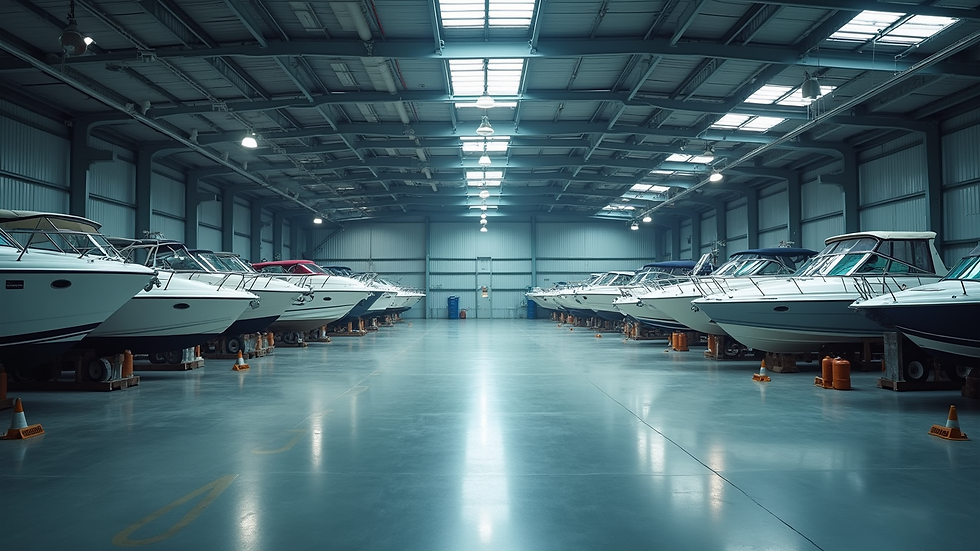
Indoor storage means your RV or boat is stored inside a building or garage. This is the most secure and protective option.
Pros:
Maximum protection from weather and pests
Enhanced security with controlled access
Keeps your vehicle clean and ready to use
Cons:
More expensive
May have size restrictions
4. Climate-Controlled Storage
Climate-controlled storage is a type of indoor storage where temperature and humidity are regulated. This is ideal for classic cars, boats, or RVs that need extra care.
Pros:
Protects against extreme temperatures and humidity
Prevents mold, mildew, and corrosion
Best for long-term storage
Cons:
Highest cost
Limited availability
Choosing the right type depends on your budget, how long you plan to store your vehicle, and the local climate.
How much does it cost to store a 40 foot RV?
Cost is a big factor when choosing storage. For a 40-foot RV, prices vary based on location, type of storage, and amenities. Here’s a rough idea:
Outdoor storage: $50 to $150 per month
Covered storage: $100 to $200 per month
Indoor storage: $150 to $400 per month
Climate-controlled storage: $200 to $500+ per month
Keep in mind, prices in urban areas or places with high demand tend to be higher. Also, some facilities offer discounts for long-term rentals or prepayment.
When budgeting, consider the value of your RV and the cost of potential damage or theft. Sometimes paying more upfront saves money and stress later.
What to Look for in Secure Vehicle Storage Options
When searching for storage, keep these key features in mind:
1. Security Measures
Gated access with keypad or card entry
Surveillance cameras covering the entire property
On-site staff or regular patrols
Good lighting throughout the facility
2. Accessibility
24/7 access if possible
Wide driveways and gates for large vehicles
Convenient location near your home or travel routes
3. Cleanliness and Maintenance
Well-maintained grounds and pavement
No standing water or mud
Pest control measures in place
4. Size and Fit
Enough space to park and maneuver your RV or boat
Height clearance for covered or indoor storage
Extra space for trailers or accessories
5. Customer Service
Friendly and responsive staff
Clear rental agreements and policies
Flexible rental terms
Visiting the facility in person is the best way to check these features. Don’t hesitate to ask questions or request a tour.
Tips for Preparing Your RV or Boat for Storage
Before storing your vehicle, take some simple steps to protect it:
Clean it thoroughly: Wash and wax the exterior to protect the paint.
Check fluids: Change oil, top off antifreeze, and fill the gas tank.
Disconnect batteries: Prevent battery drain or remove batteries if possible.
Cover vents and openings: Keep pests out.
Use tire covers: Protect tires from sun damage.
Secure loose items: Remove valuables and lock storage compartments.
These steps help keep your vehicle in great shape and ready for your next adventure.
Finding the Right Storage in Rosenberg, TX
If you’re in the Rosenberg, TX area, you have some great options for secure and affordable storage. Look for facilities that specialize in RV and boat storage. They understand the unique needs of these vehicles and offer tailored services.
One thing I’ve noticed is that local storage providers often offer better customer service and more flexible terms than big national chains. Plus, they know the local weather and can recommend the best storage type for the area.
For example, a facility with covered or indoor storage is a smart choice in Texas, where sun and heat can be intense. Also, look for places with strong security features to protect your investment.
If you want to explore options, check out rv and boat storage providers in Rosenberg. They often have online booking and transparent pricing.
Making Your Decision with Confidence
Choosing secure vehicle storage options doesn’t have to be overwhelming. Focus on what matters most to you:
How long will you store your vehicle?
What’s your budget?
How important is accessibility?
What level of protection do you need?
Once you answer these questions, narrow down your choices and visit the top contenders. Seeing the facility in person and talking to staff will help you feel confident.
Remember, the right storage protects your vehicle and your peace of mind. It’s an investment in your freedom to explore whenever you want.
I hope this guide helps you find the perfect storage solution for your RV or boat. Safe storage means more time enjoying the open road or water, and less worry about what’s waiting for you when you return. Happy travels!
Comments